

10 Butterfly Activities for Kids: Art, Science & Nature Ideas
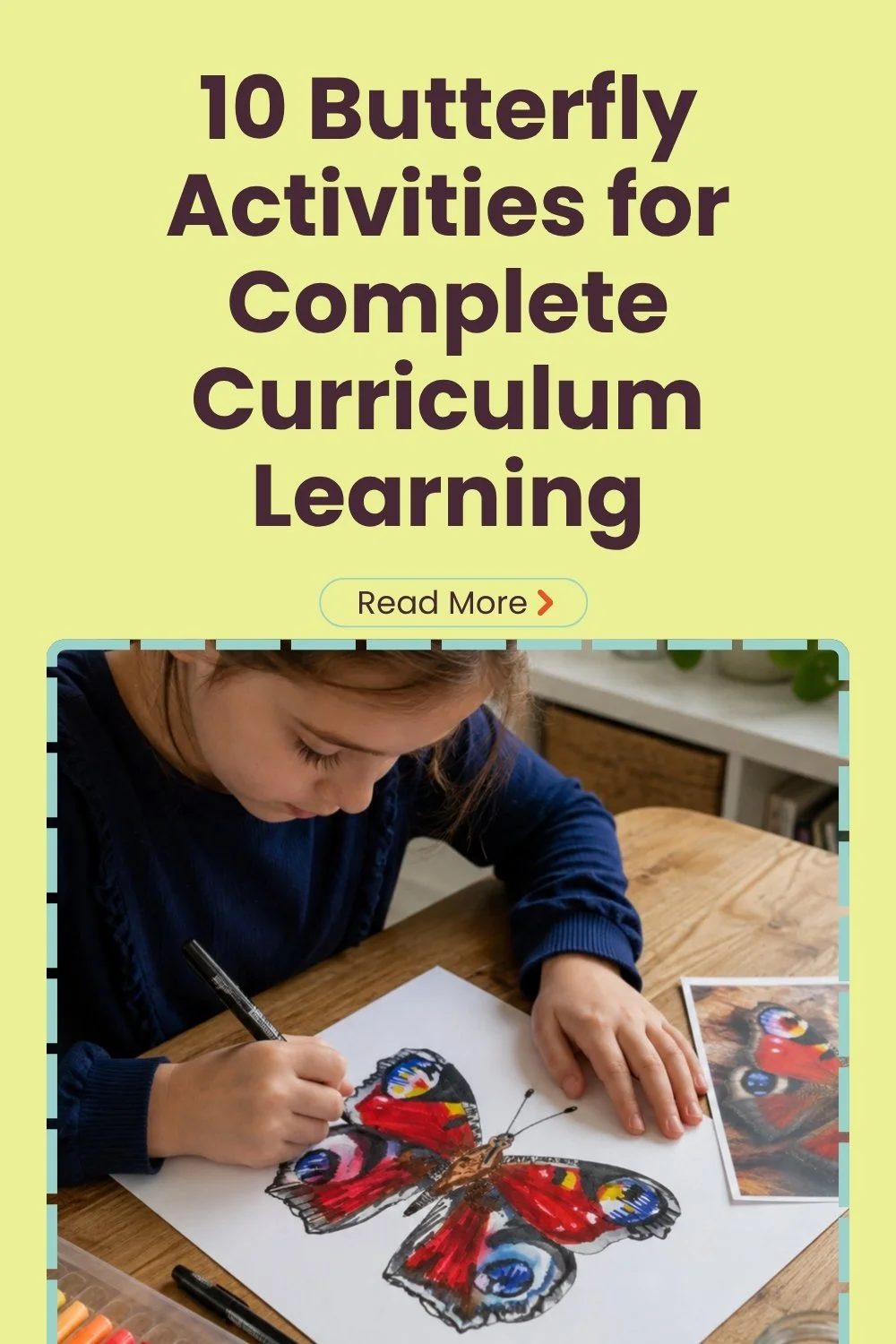
Butterflies are a wonderful topic for exploring science, art, maths and nature together. In this blog, you’ll find 10 hands-on butterfly activities for children of different ages, from toddlers to preteens. With ideas spanning art, science, nature study and more, they’re perfect for mixed-age learning or simply exploring butterflies together as a family.
Early and Preschool Motor Skills
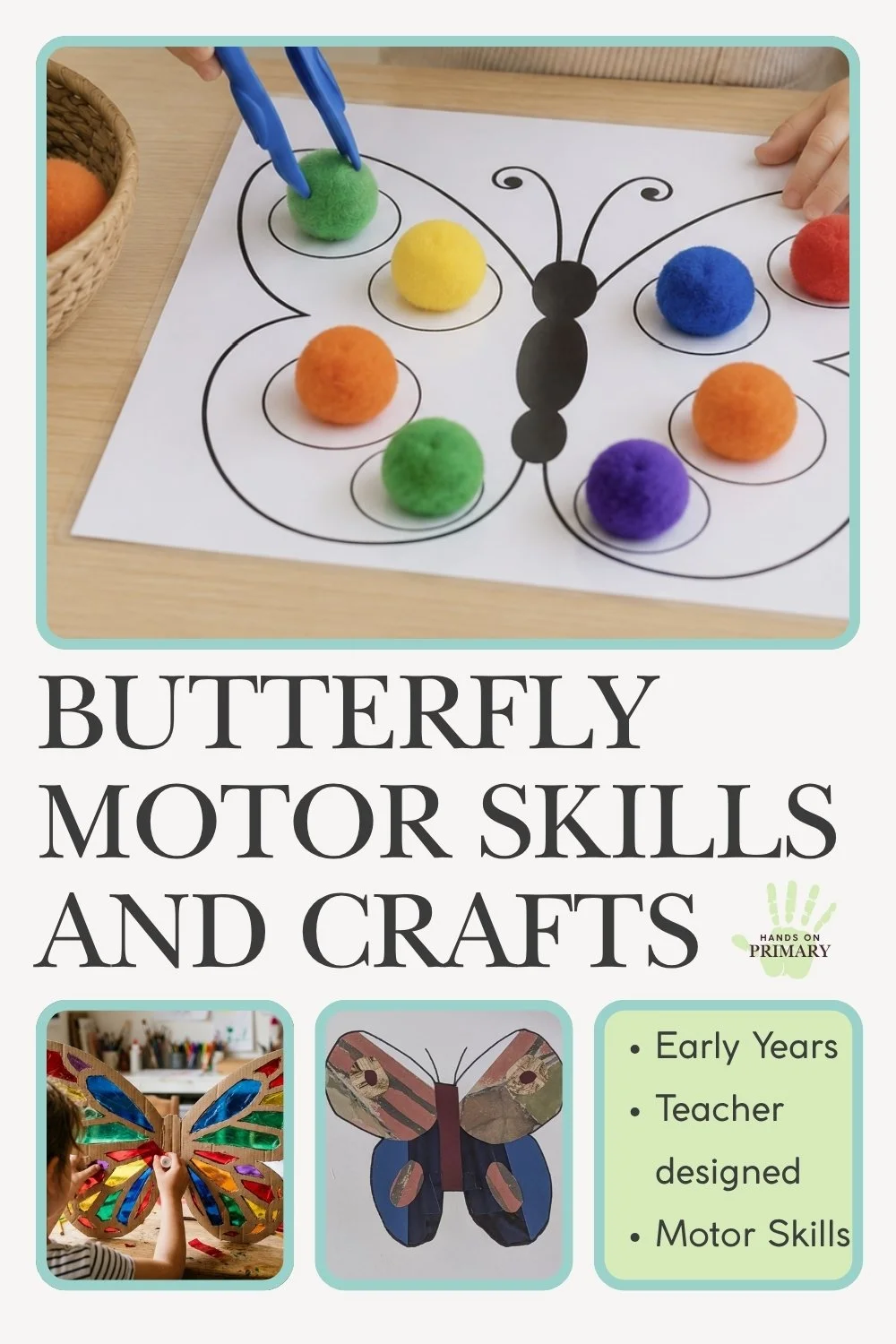
Fine Motor Skills are not just important for preschoolers, but early practice can support children to complete more complex tasks later on.
Our Butterfly Art and Symmetry Pack includes guidance and templates for practising fine motor skills with pom poms and tweezers. This activity is fun for toddlers and can easily be set up in a tuff tray or on a small table in your home.
These fine motor skills can also be developed through all kinds of craft activities involving cutting, collaging or holding pencils.
Symmetry, Nature and Science Learning
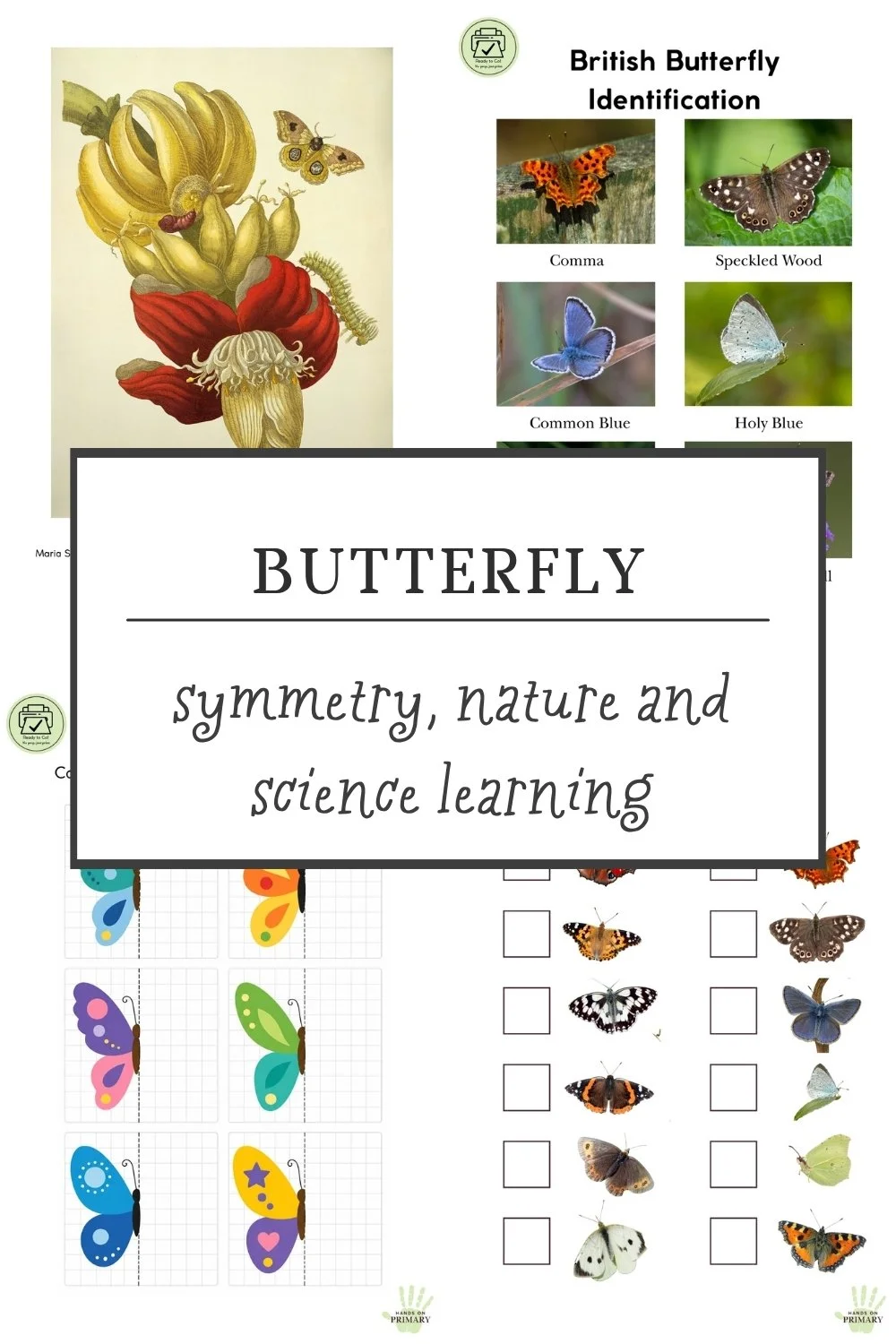
2. Butterflies: Nature Exploration and Careful Observation
Looking for butterflies is a wonderful way to spend time outdoors and engage with the natural world. A butterfly hunt encourages children to slow down, look closely and begin noticing the different colours, patterns and species around them.
Try this: Use our Butterfly Identification Sheets and Butterfly Scavenger Hunt Checklist to identify some of the most common butterflies found in the UK. Encourage careful observation and enjoy the thrill of recognising a butterfly for yourself!
3. Detailed Butterfly Drawings
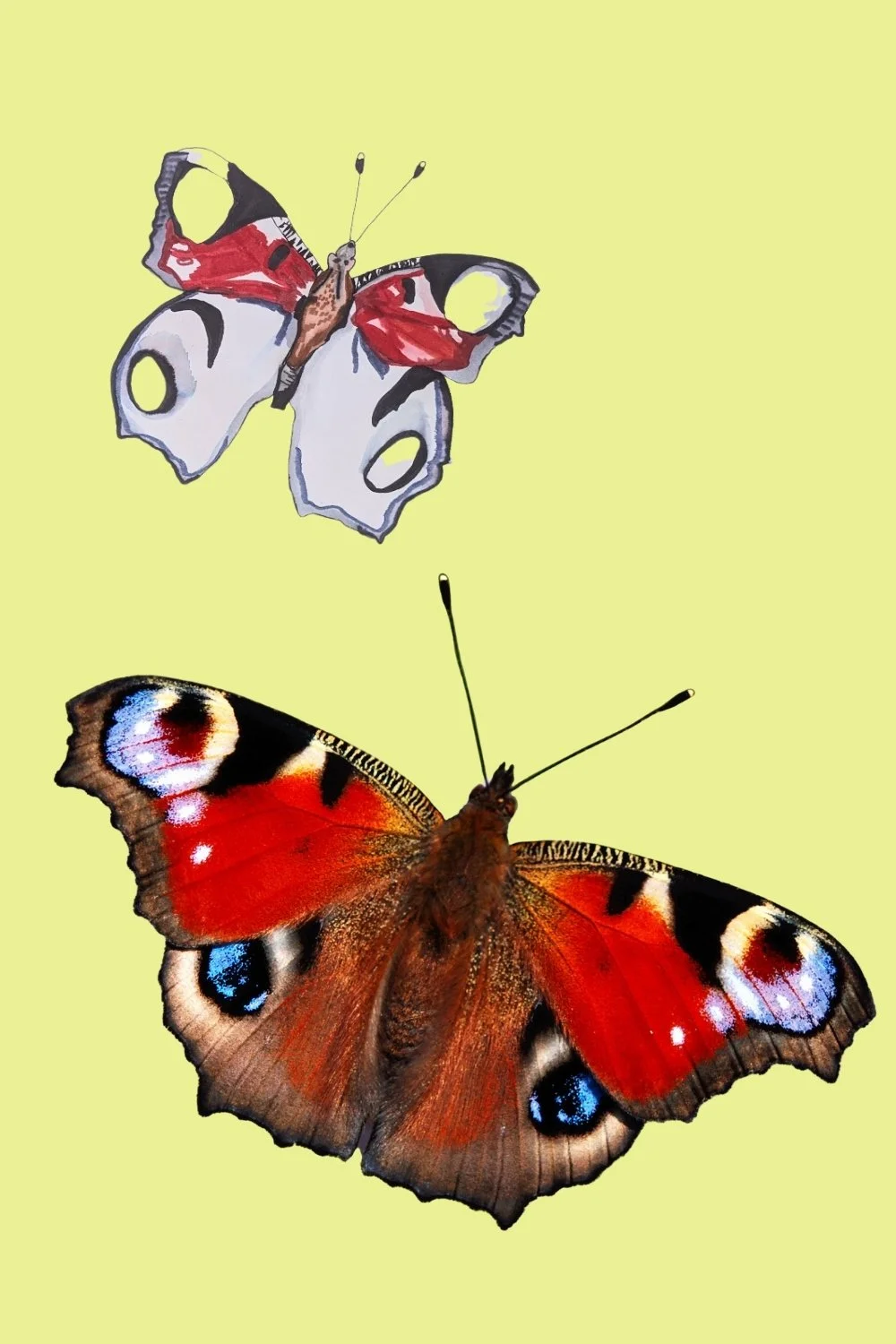
Butterflies make wonderful subjects for observational drawing, encouraging children to look closely at shape, colour, pattern and detail. You can work from a photograph or, if you’re quick enough, try sketching a butterfly from life! Pencils, coloured pencils and watercolours all work beautifully for capturing their delicate wings and intricate markings.
4. Maths: Use Butterflies to teach Symmetry
Butterflies are a wonderful way to explore symmetry, with their colourful, patterned wings often capturing children’s attention. Our Learning Pack offers hands-on ways to investigate symmetry through cutting, folding, printing and drawing.
Try this: Fold a piece of paper in half and draw half a butterfly, with the centre of its body along the fold. Cut around your drawing, then unfold the paper to reveal a complete, symmetrical butterfly - with one side reflected in the other.
5. Explore Butterfly Life Cycles
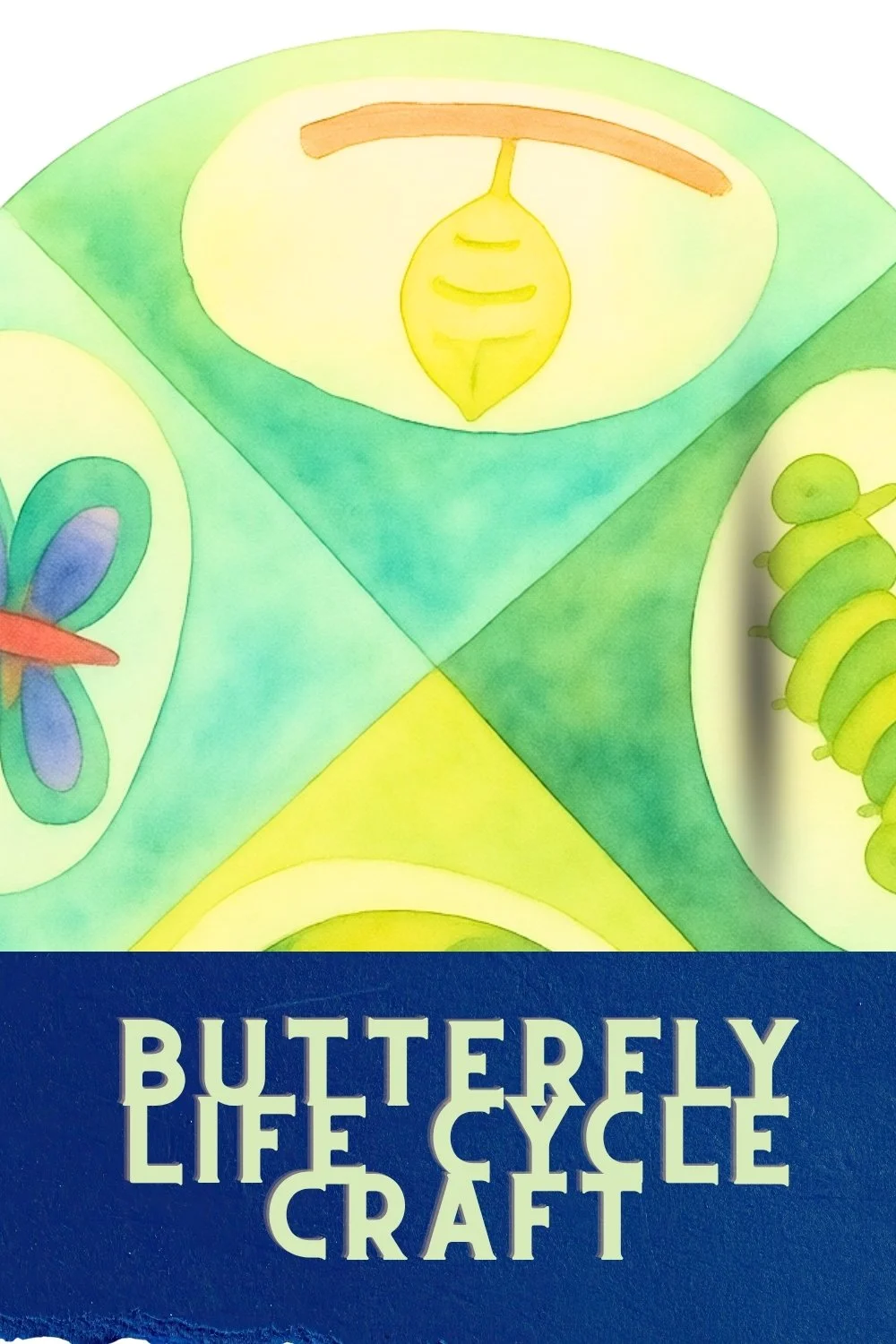
Butterflies undergo an incredible transformation called metamorphosis, making them a fascinating way to explore life cycles with children. From a tiny egg comes a caterpillar, which becomes a pupa before finally emerging as a butterfly.
Try this: Create a hands-on life cycle craft showing each of the four stages — egg, caterpillar, pupa and butterfly. Making each stage gives children a visual and tactile way to understand the sequence and see how dramatically a butterfly changes as it grows.
A printable template, step-by-step instructions and butterfly life cycle reading pages are all included in our learning pack.
6. Butterfly Suncatchers!
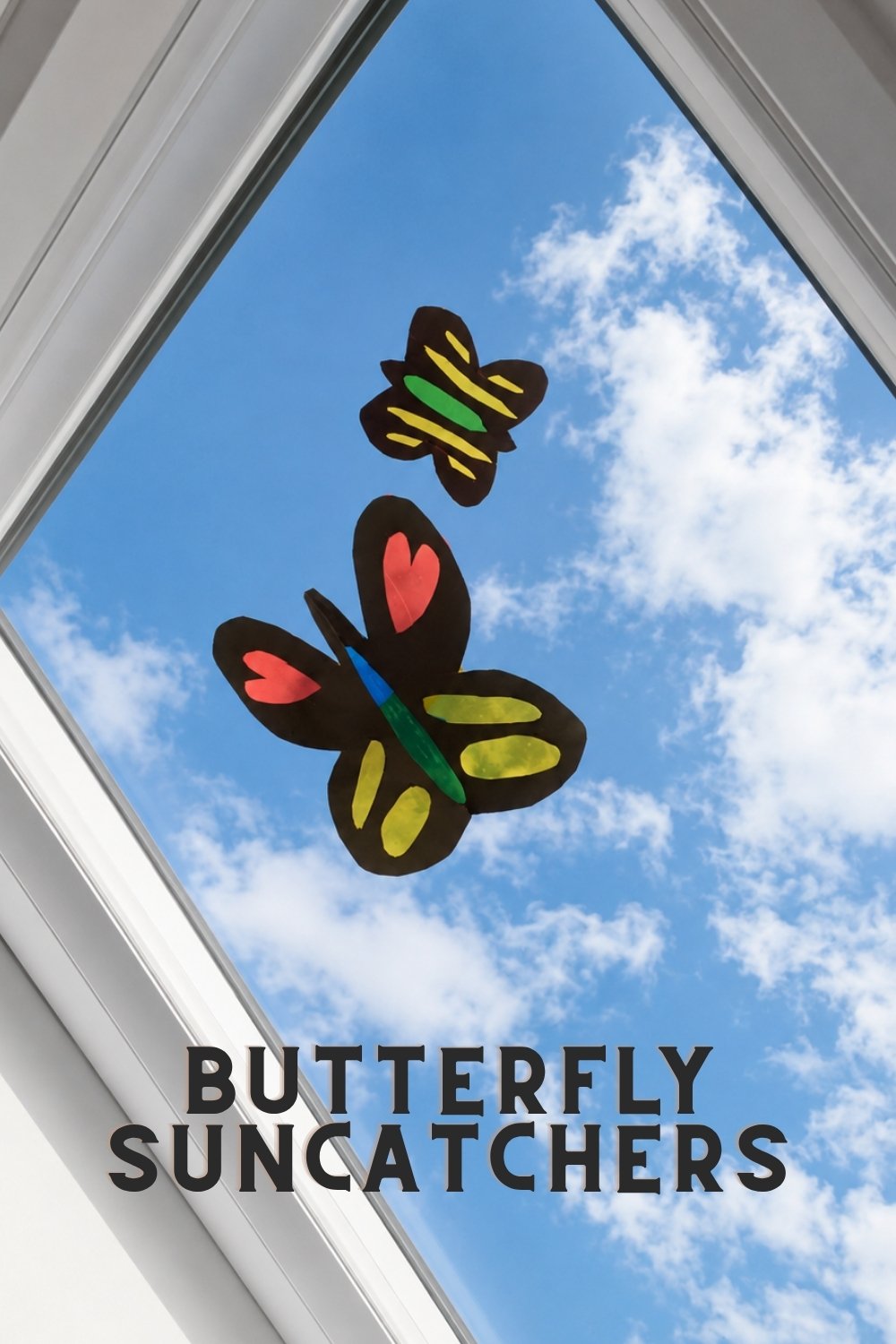
Butterfly wings are full of beautiful colours and patterns, making them perfect inspiration for a suncatcher. This simple craft is a lovely way to explore colour, light and symmetry, and looks especially beautiful displayed in a sunny window.
Try this: Cut a butterfly shape from card and fill the wings with pieces of colourful tissue paper or translucent materials. Experiment with arranging colours symmetrically, or take inspiration from the markings of a real butterfly.
Hold your finished butterfly up to the light or display it in a window and notice how the colours change as the light shines through.
7. Hand Print Art
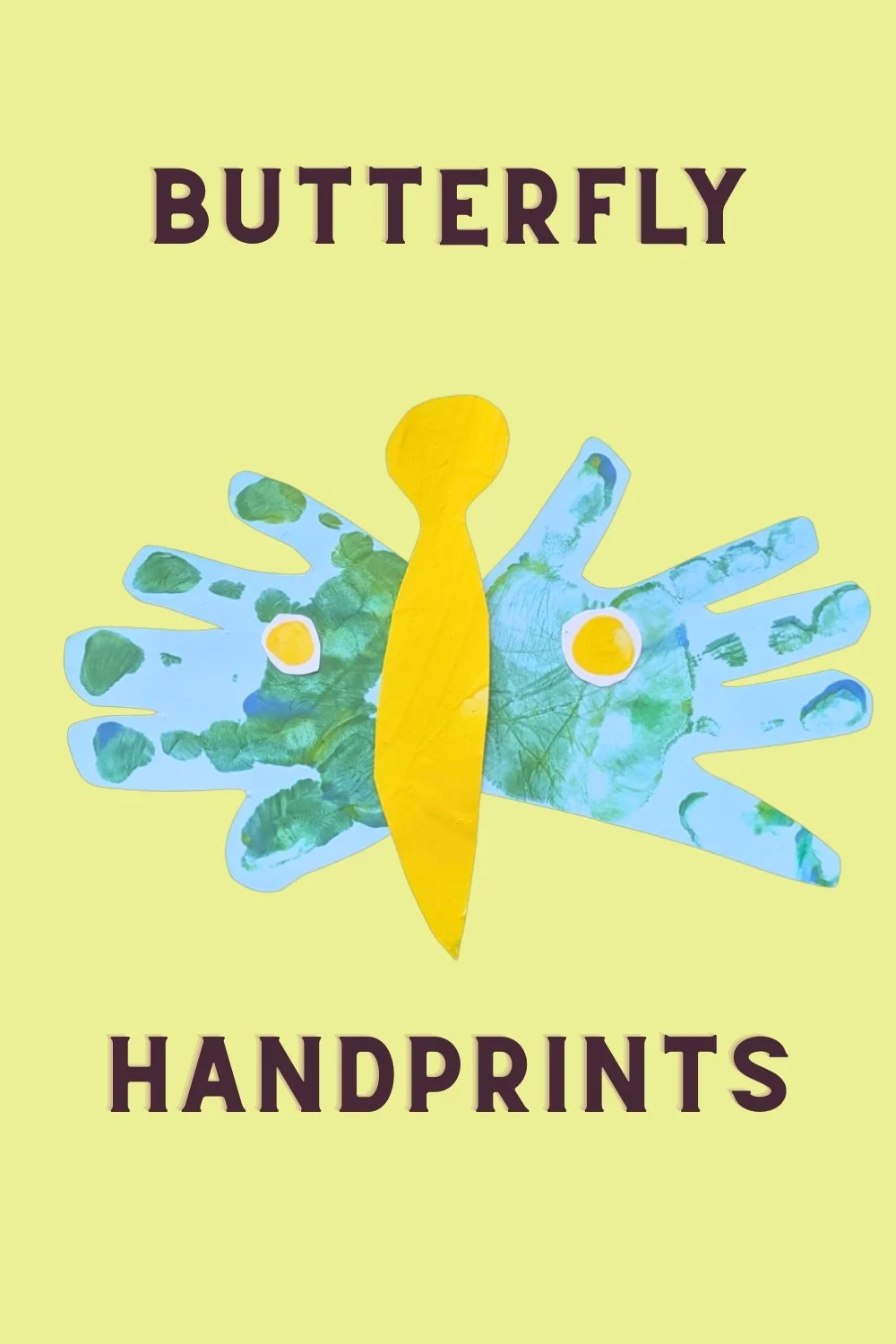
Handprints make wonderfully expressive butterfly wings - and no two butterflies will turn out quite the same. This simple activity is a lovely way for younger children to explore colour, pattern and symmetry while enjoying the sensory experience of painting and printing.
Try this: Paint your child’s hands in one or several colours, then press them onto paper on either side of a butterfly body. Once dry, add details with pens, paint or collage materials. Try mixing colours or adding spots and patterns inspired by real butterflies.
Explore further: Look at photographs of different butterflies before you begin. What colours and patterns can you spot? Children could recreate a real butterfly or invent a completely new species.
8. Try Butterfly Embroidery
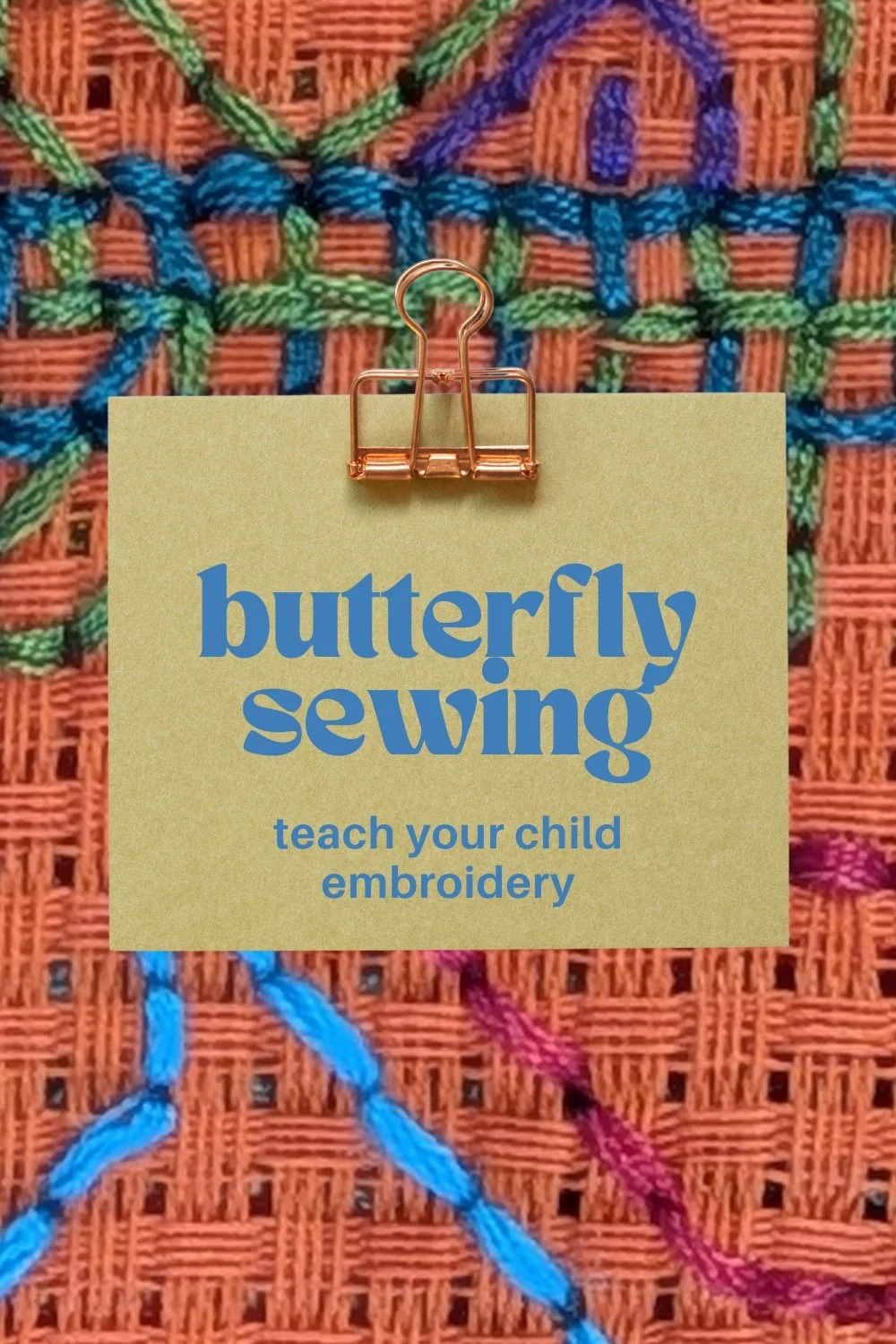
The intricate patterns and colours of butterfly wings make them wonderful inspiration for textile art. Embroidery gives children a chance to slow down, work carefully with their hands and experiment with colour, line and pattern while learning some simple sewing skills.
Try this: Look closely at the markings on a real butterfly, then use coloured thread to create your own butterfly design. Beginners can start with simple running stitches on binca or another open-weave fabric, while more confident sewists can experiment with different stitches and patterns.
Our Butterfly Learning Pack includes butterfly embroidery templates and step-by-step guidance for running stitch, backstitch and cross stitch, making it easy to adapt the activity for different ages and levels of experience.
9. Use Butterflies to Explore History
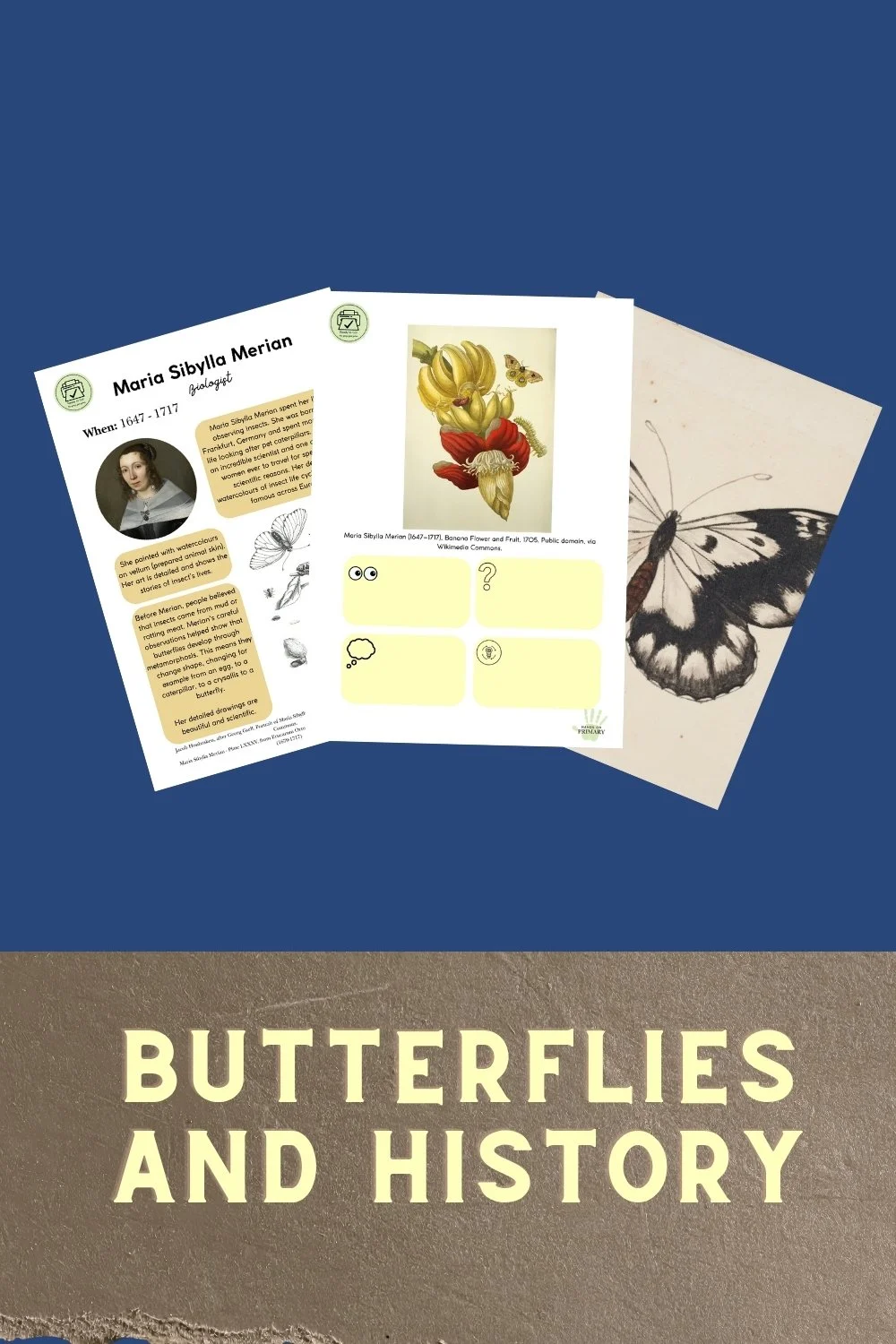
Butterflies can open the door to some fascinating stories from history. Through art and scientific illustration, children can explore how our understanding of the natural world has changed and discover some of the people who helped change it.
Try this: Explore the work of Maria Sibylla Merian, a pioneering naturalist and scientific illustrator whose detailed observations of insects helped document the relationship between caterpillars, chrysalises and butterflies at a time when metamorphosis was still poorly understood.
Her story also offers an opportunity to explore women’s history. Merian pursued her scientific and artistic work in the 17th century, when women had far fewer opportunities to participate formally in science. Older children could consider whose work has traditionally been recorded and celebrated and whose contributions may have been overlooked.
Look at historical butterfly illustrations alongside modern photographs. What did early naturalists notice? How did they record what they saw? What can these images tell us about both science and art?
10. Slow down with Butterfly Colouring
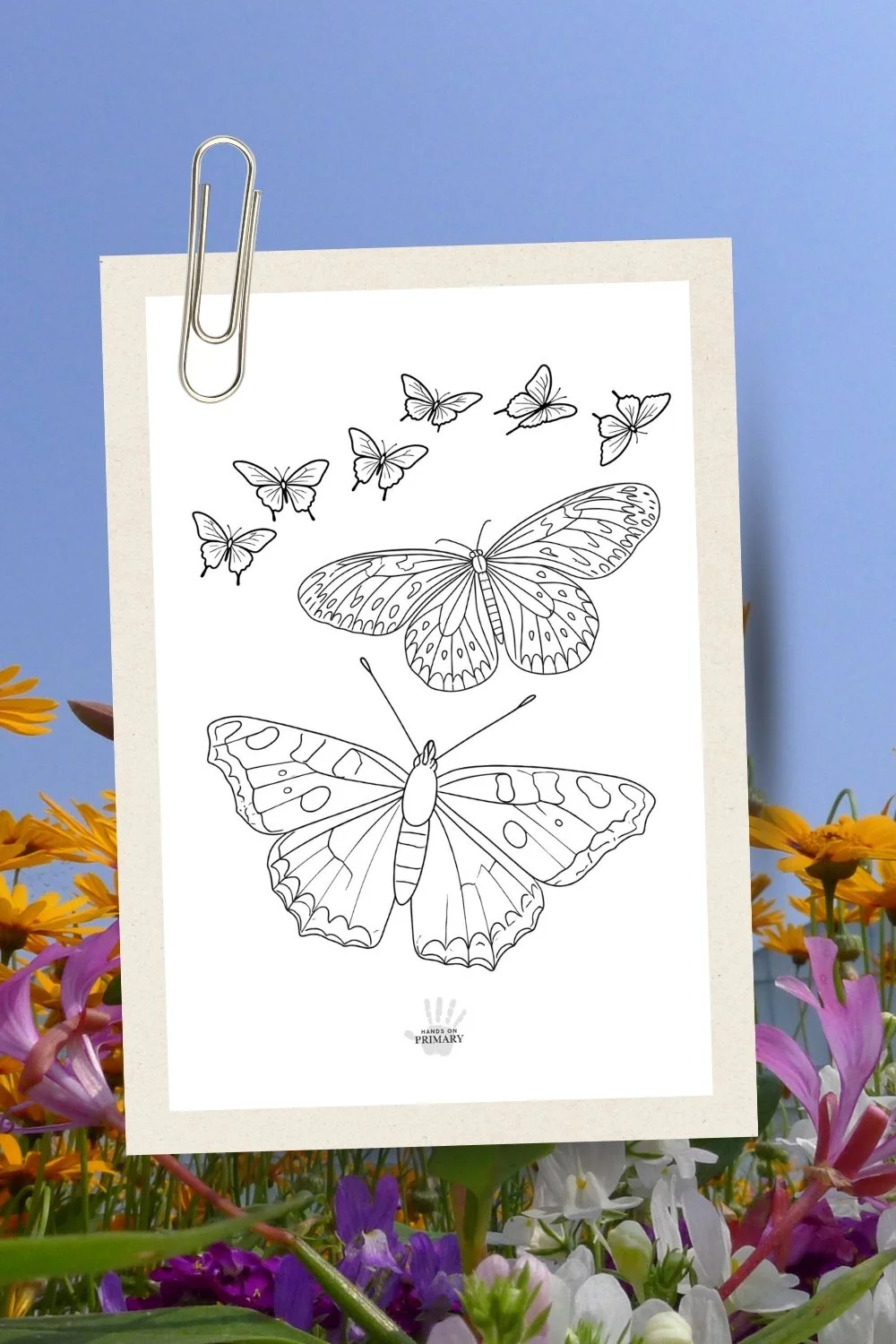
Not every activity needs to be complicated. Colouring can offer a calm, independent way for children to explore the shapes, patterns and colours of butterfly wings.
Try this: Look at photographs of real butterflies before you begin. Children could recreate the colours and markings they observe, experiment with symmetrical colour schemes, or forget realism altogether and invent a butterfly of their own.
Our Butterfly Learning Pack includes butterfly colouring pages that can be used as a quiet activity alongside your wider butterfly study.
Butterflies are a wonderful example of how one topic can take learning in so many different directions. A butterfly spotted in the garden might lead to a scientific investigation, a drawing, a maths activity, a conversation about symmetry, a sewing project or even a journey into history.
You don’t need to try everything at once. Choose the ideas that suit your children’s ages and interests, follow the questions that arise and see where your butterfly study takes you.
If you’d like to explore butterflies further, our Butterfly Art & Symmetry Learning Pack brings together art, science, maths, nature and hands-on activities for children aged 3–11.