Simple Paper Collage Ideas for Kids: Easy Creative Activities at Home or for Art Class
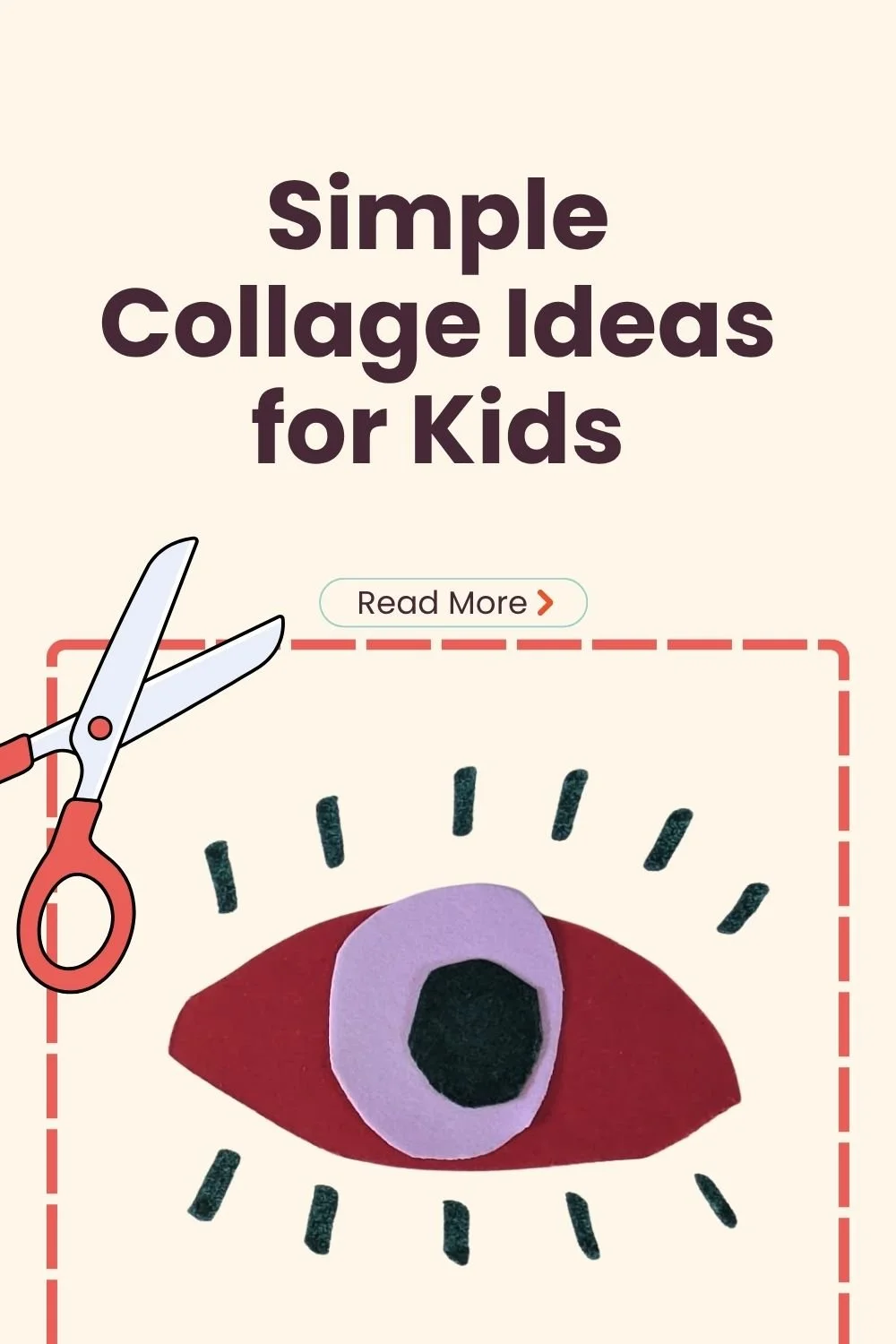
Collage is one of my favourite art activities for children because you really don’t need very much to get started. Just some paper, glue and scissors.
Better still, collage can be as simple or as ambitious as you want it to be. Younger children can explore tearing, arranging and sticking, while older children can think more carefully about colour, shape, composition and layering.
Here are some simple collage prompts you can try with materials you probably already have at home.
Simple Shapes Collage
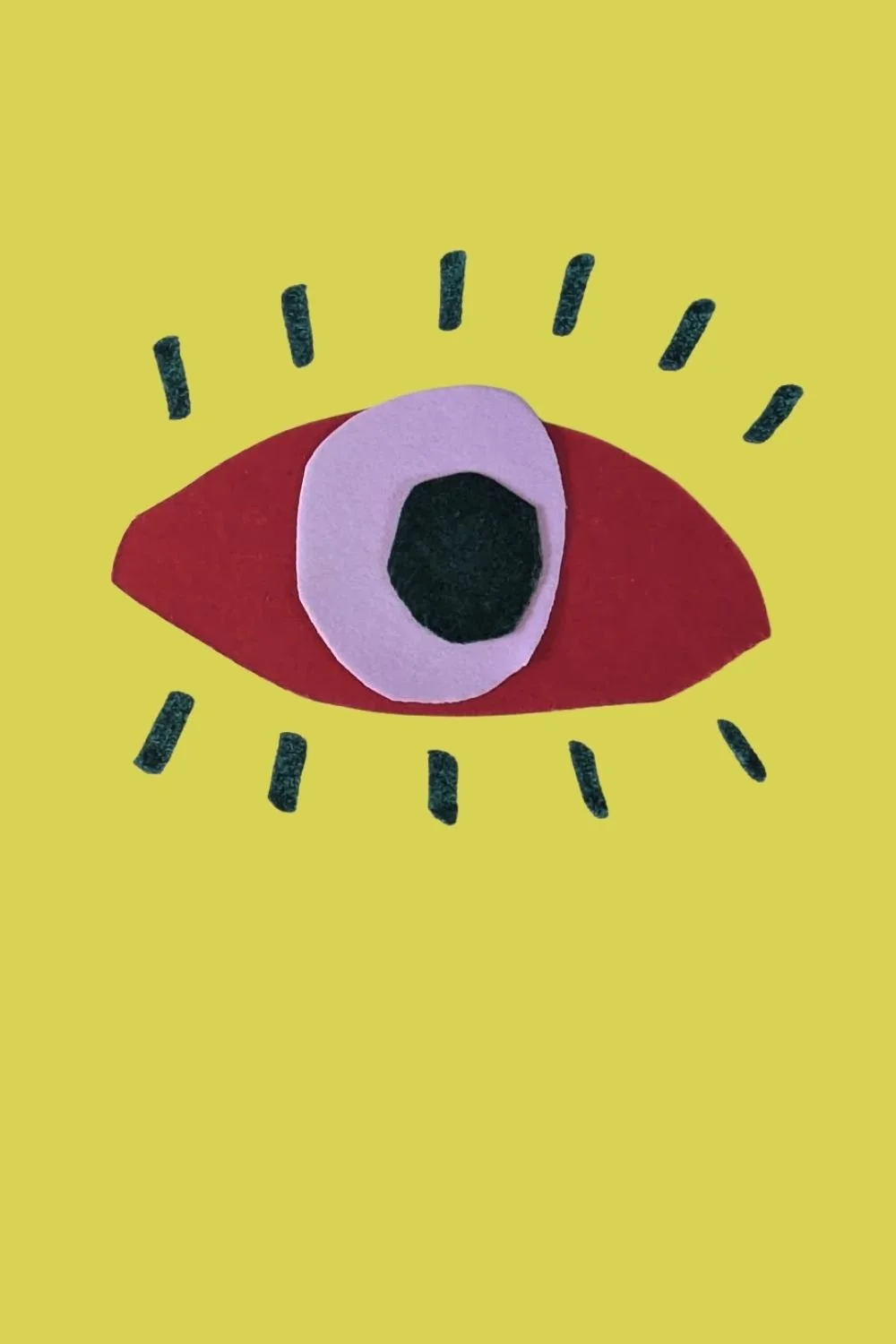
Children can be given pre-cut shapes to make collages.
Simple collages can be made from geometric shapes. One of the big advantages of this kind of collage is that adults can prepare the shapes beforehand. This makes the activity inviting for children to begin straight away, while also removing some of the barriers for children who have less patience for cutting or are still developing their fine motor skills.
Picture the scene… lots of rainbow-coloured shapes spread across a table, with a blank piece of paper waiting and full of potential. Who could resist?
You can give children a simple prompt (an eye, a fish, a rainbow) or let them create completely open-endedly.
Funky Faces and Silly Portraits
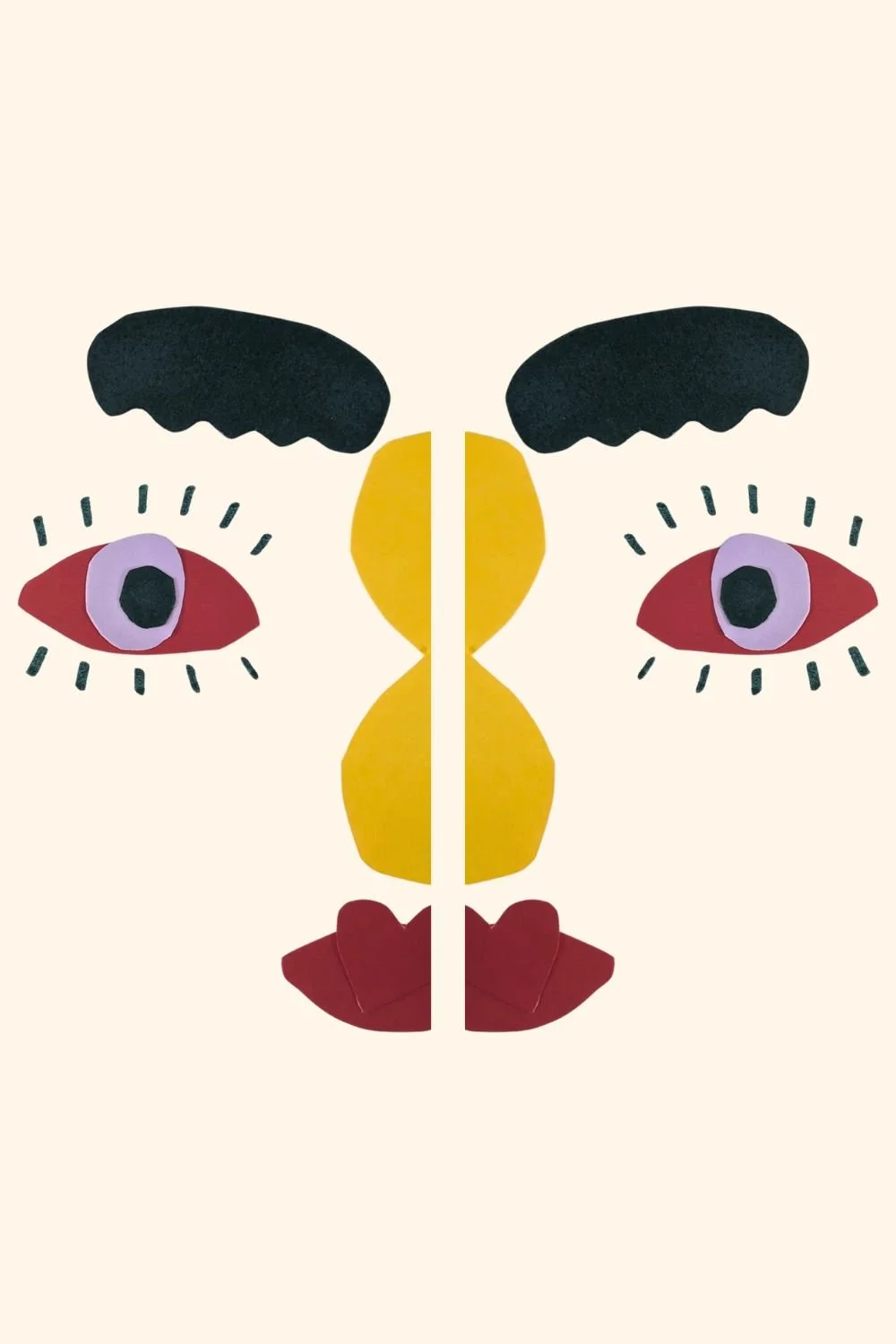
Funky faces do not need to be realistic. Is it a person? A monster? A mythical being?
Paper shapes can also be assembled into interesting, funny or unusual portraits. These could be based on real people or be entirely made up.
This kind of activity can easily be taken in different directions. You could link it to Picasso’s Cubist portraits, use faces to explore different emotions, or encourage children to look closely at themselves or family members to create more detailed and recognisable portraits.
Matisse Inspired Cut-Outs
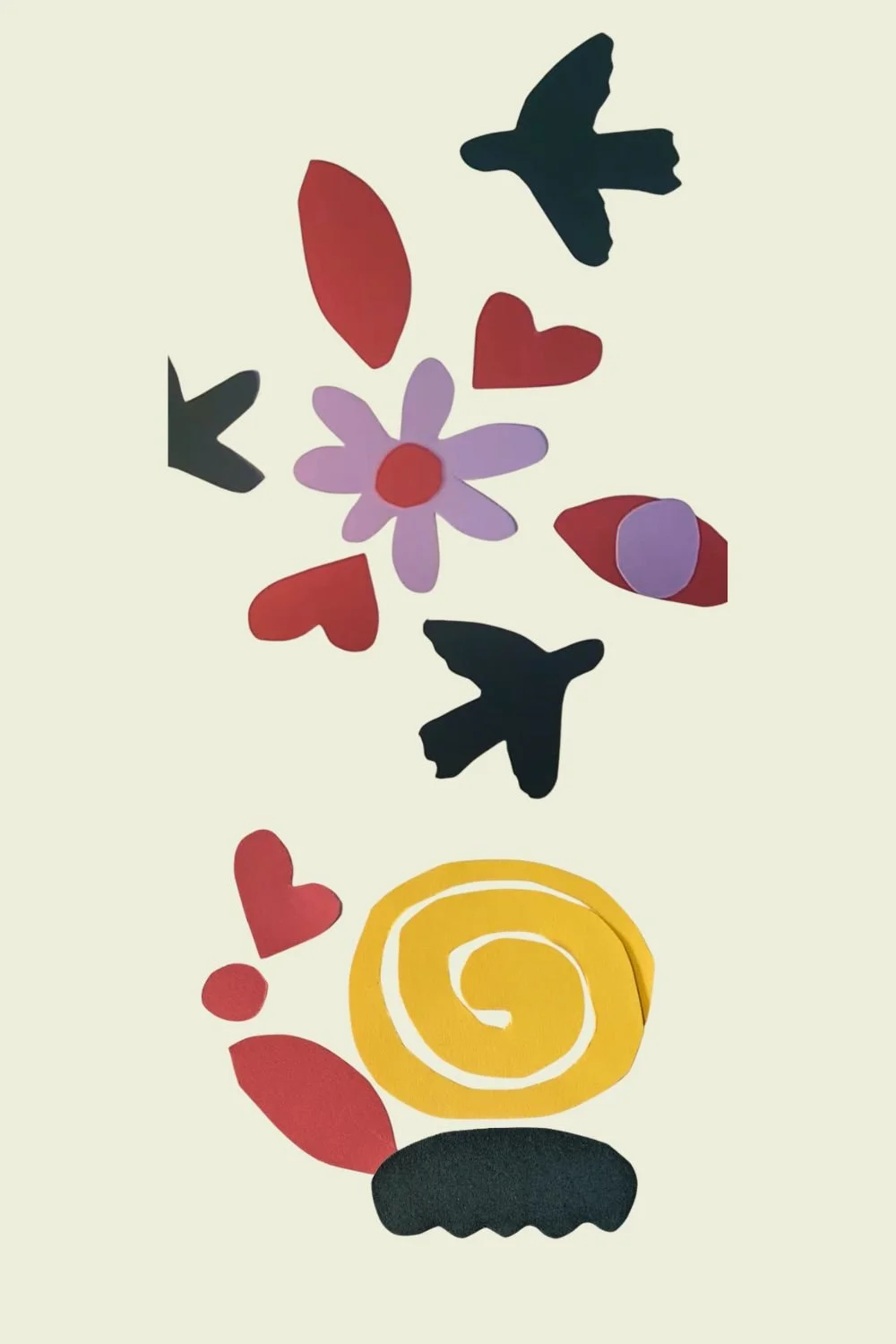
Images taken from the Hands on Primary Matisse: Art and Cut Outs Learning Pack.
Henri Matisse famously described his paper cut-outs as “drawing with scissors.” It is a wonderful idea to explore with children: instead of drawing a shape with a pencil, can you draw it directly with your scissors?
Try cutting leaves, flowers, birds, hearts and completely imaginary shapes from brightly coloured paper. Arrange and rearrange them before sticking anything down. Shapes can overlap, point towards one another or be turned around until the composition feels right.
For more Matisse-inspired activities, you can also explore our free Mini Matisse Learning Pack, available when you join the Hands On Primary mailing list.
Butterflies, Handprints and Observational Collage
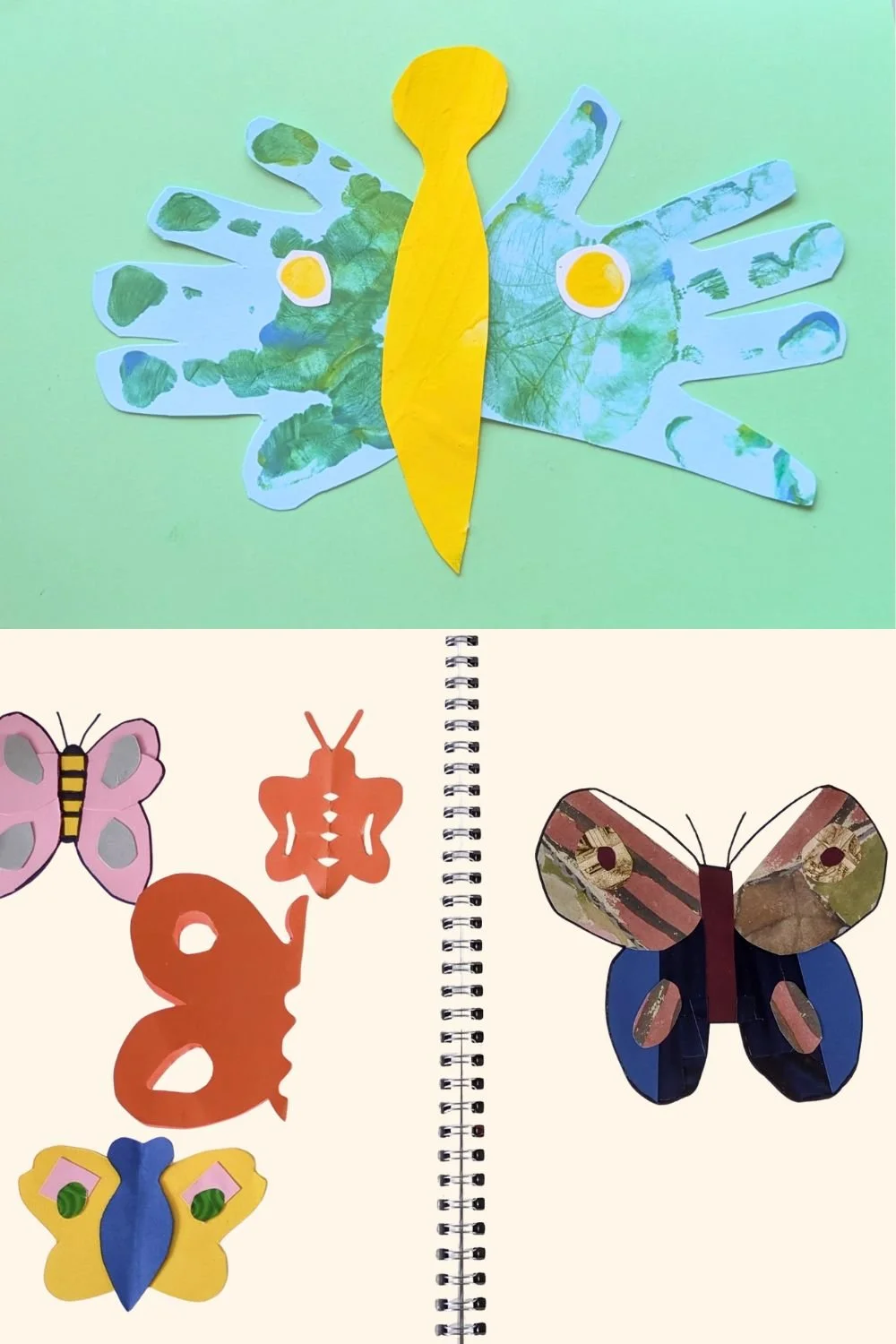
Images from the Hands on Primary Butterfly: Art and Symmetry Learning Pack
Butterflies are perfect for collage because there are so many ways to explore their shapes, colours and symmetry.
Younger children could turn painted handprints into a simple butterfly, while older children can cut and layer paper to create their own designs. Try folding paper before cutting to make symmetrical shapes, or combine plain and patterned papers to create more intricate wings.
Real butterflies are also full of inspiration. Look closely at photographs together and notice the shapes, markings and colours on their wings. Children can borrow ideas from nature without needing to copy a butterfly exactly.
You can find more butterfly art, science and nature activities in our Butterfly Learning Pack.
Nature and Floral Collages
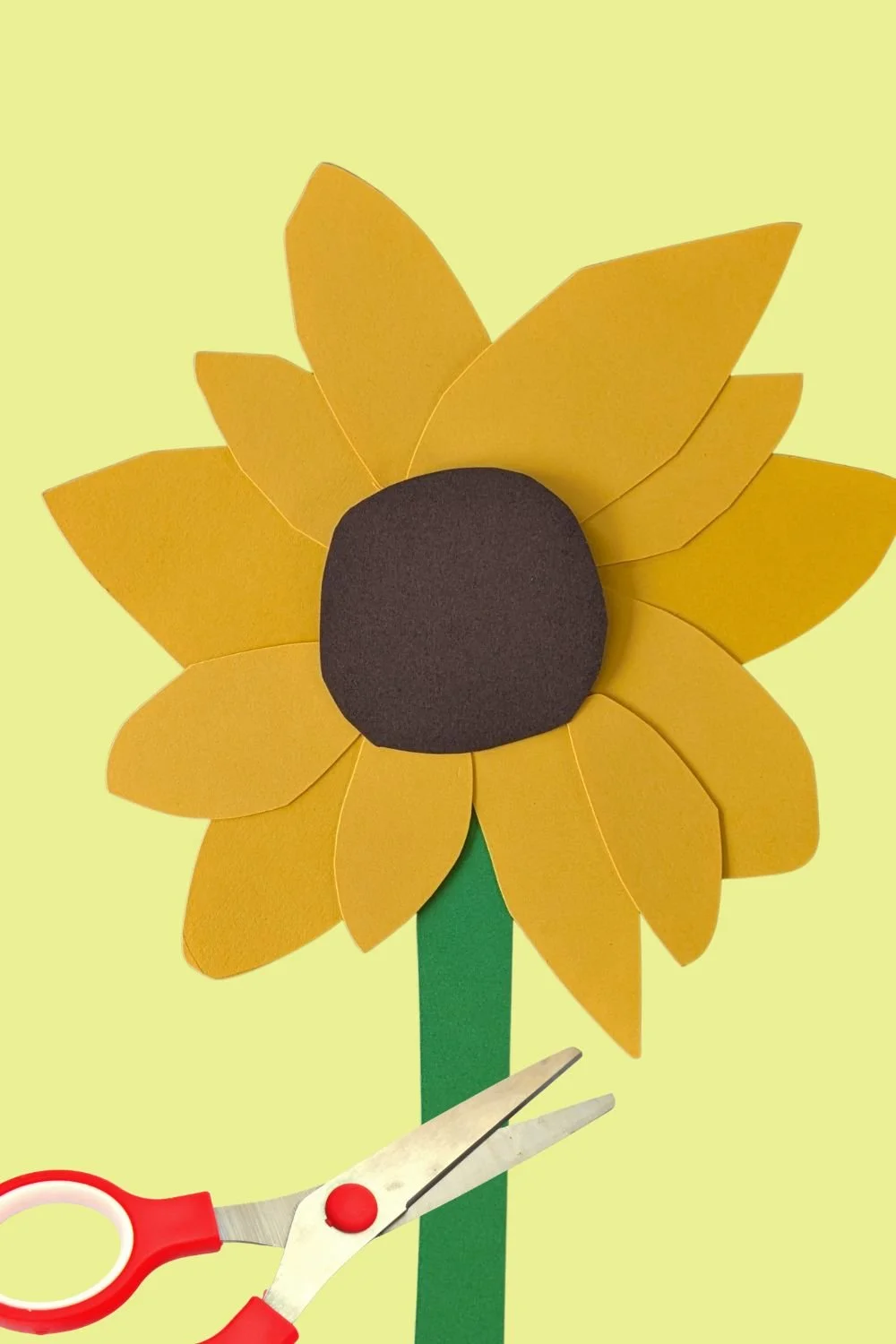
What other flowers interest you?
You could try making a picture of a plant from natural objects like leaves and pine cones too.
A simple paper collage is also a lovely way to encourage children to look closely at flowers.
For a sunflower, children might begin by noticing the large circular centre, overlapping petals, sturdy stem and leaves. Cut these shapes from coloured paper and experiment with layering them to build a flower.
You could work from a real sunflower, a photograph or even one of Vincent van Gogh's famous sunflower paintings. Older children can cut their own shapes, while providing pre-cut petals and circles makes the same idea accessible to younger children.
Our Sunflower Art & Nature Learning Pack includes this collage activity alongside more hands-on ways to explore sunflowers through art, maths and science.
Architectural Collages
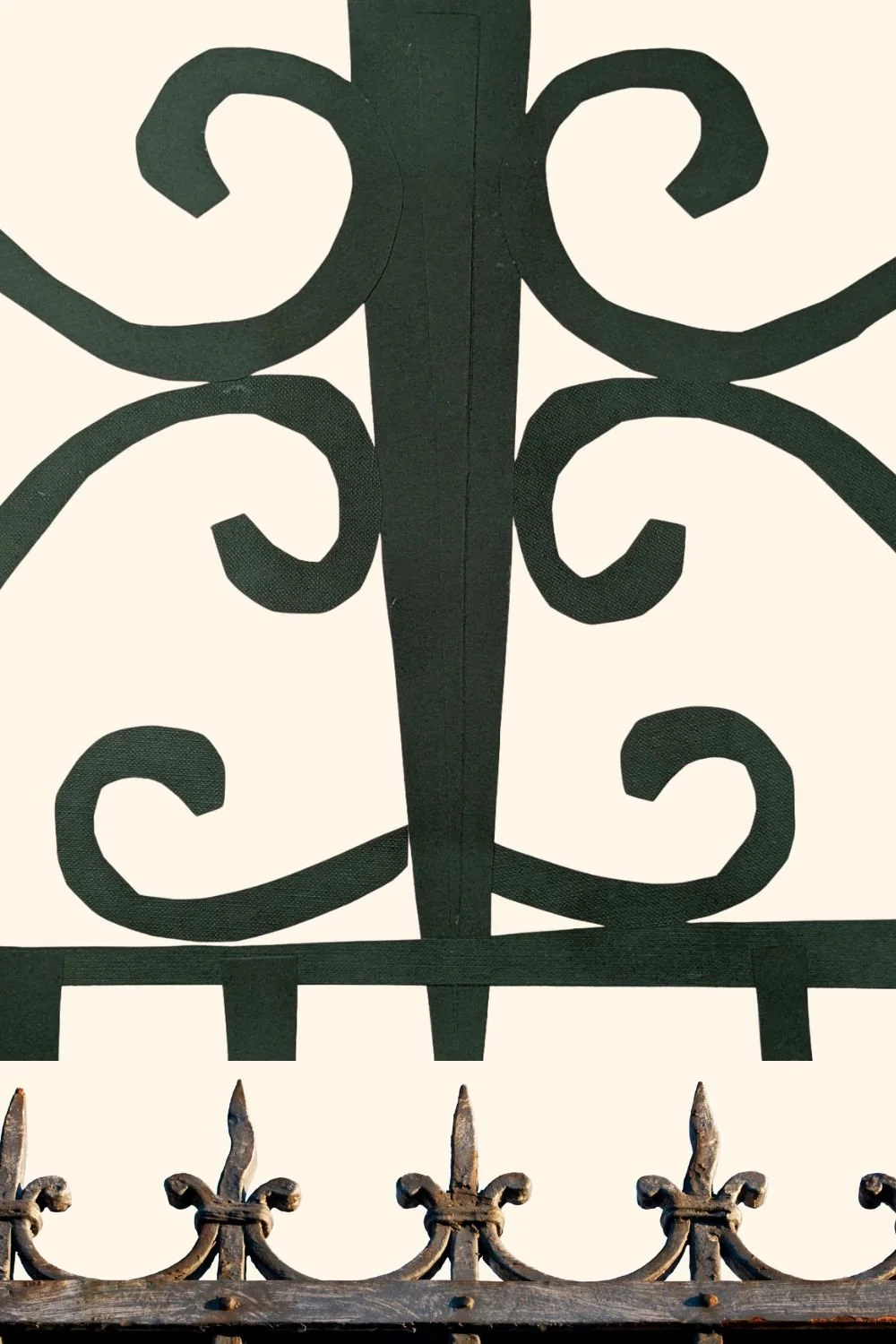
Look around, where can you see strong shapes in real life? Iron Fences can be an appealing subject for collage due to their distinct shapes.
Collage inspiration doesn't only have to come from nature or other artworks. Look at the buildings around you and you will find shapes everywhere.
Windows, doors, railings, rooftops and decorative details can all become starting points for collage. In the example above, the curling shapes of an iron fence have been recreated by cutting and arranging black paper.
You could take a walk together and photograph interesting architectural details, then choose one to recreate when you get home. Or use what you have noticed as a starting point for designing an entirely imaginary building, window, gate or skyline.
It is a simple way to encourage children to look a little more closely at the everyday world around them.